
Keep More Clients Without Managing Every Relationship Yourself.
In 14 days, we place a vetted Retention Specialist to keep every account onboarded, updated, and renewed. Pay when you hire.












'%20fill-rule='evenodd'/%3e%3c/svg%3e)






























You Find Out a Client Is Leaving 90 Days After They Decided.
The decision happens when onboarding drags, the report shows up late twice, and nobody has talked to them in three weeks. By the time you get the "can we hop on a call Friday" email, you are negotiating the exit.
Founders Running Multi-Million Dollar Businesses Hire Through Us.
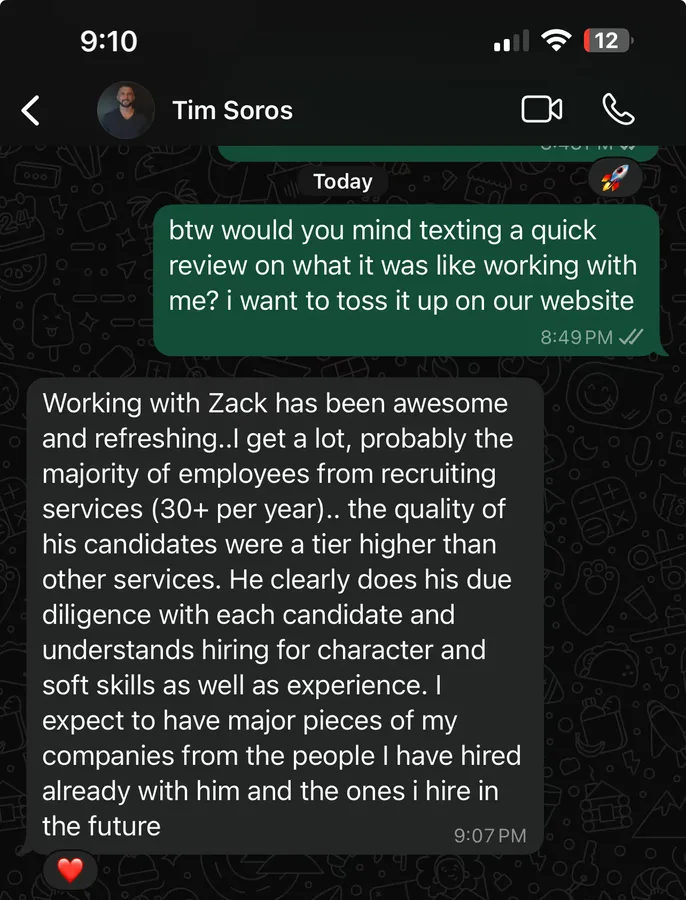
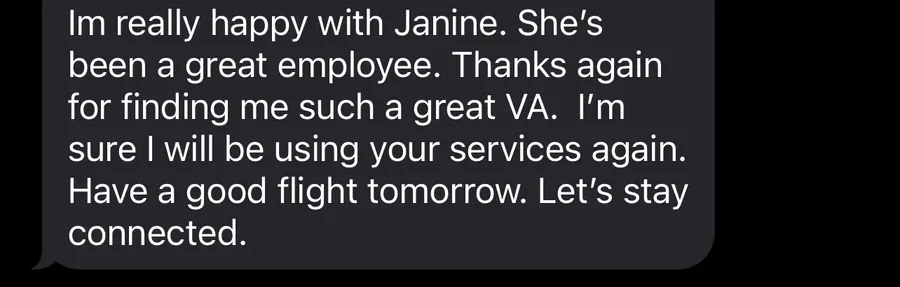
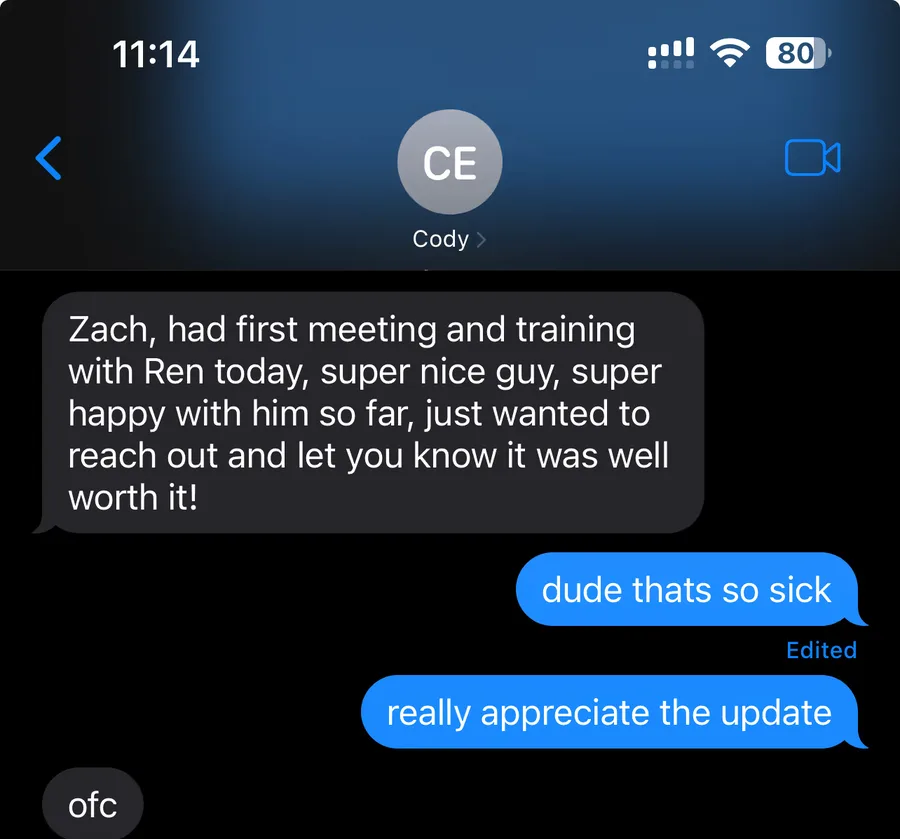
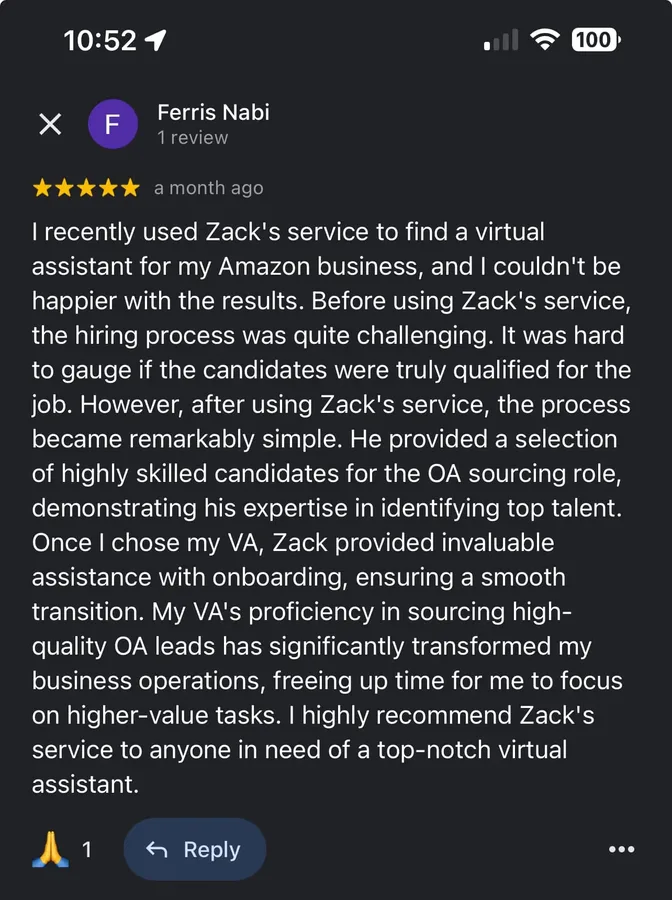
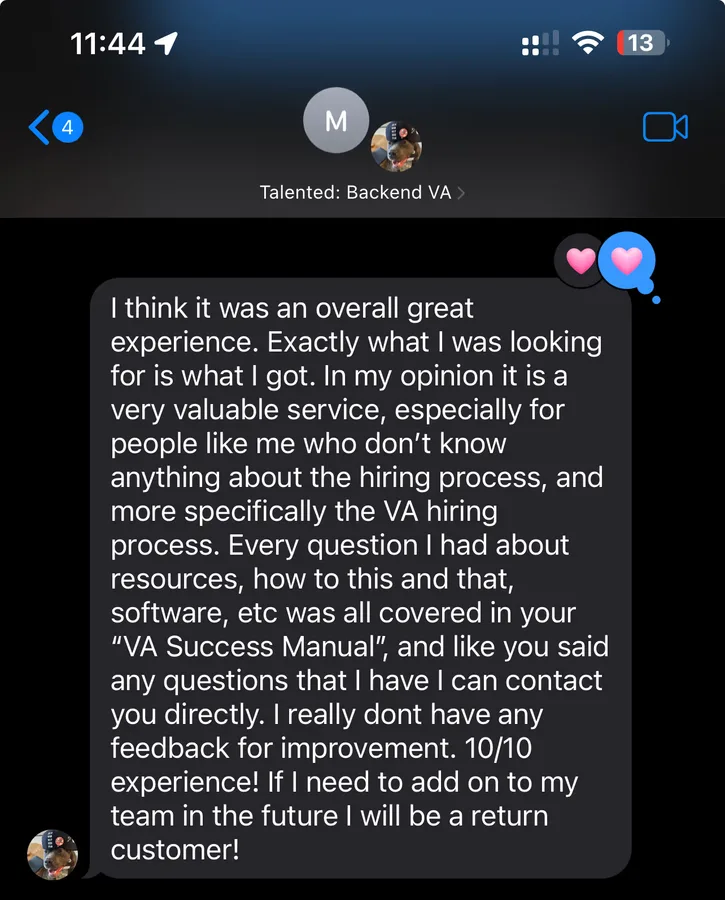
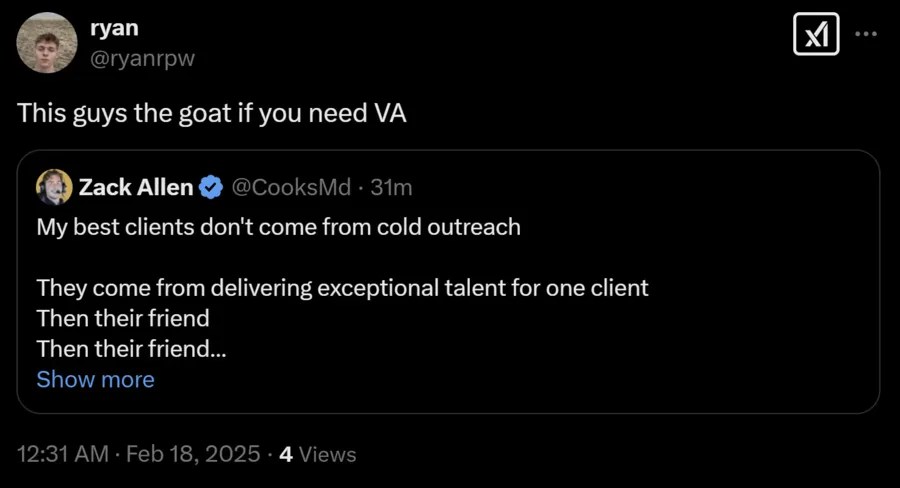
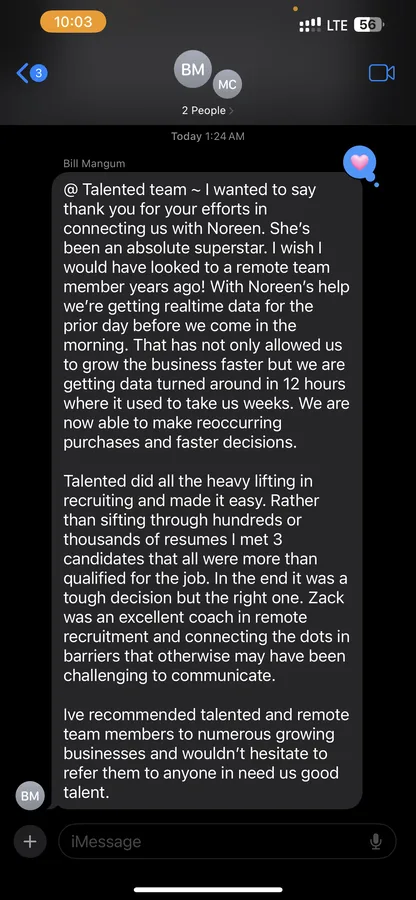
Every operator we place goes through the same 4-Level Vetting Protocol that has vetted over 30,000 applicants. Here is what the founders who hired them say.
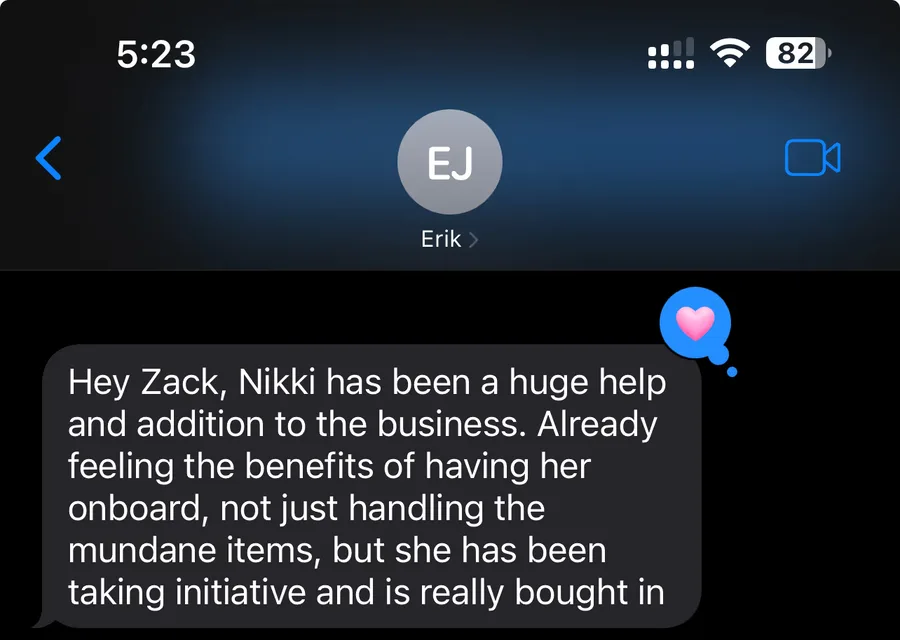
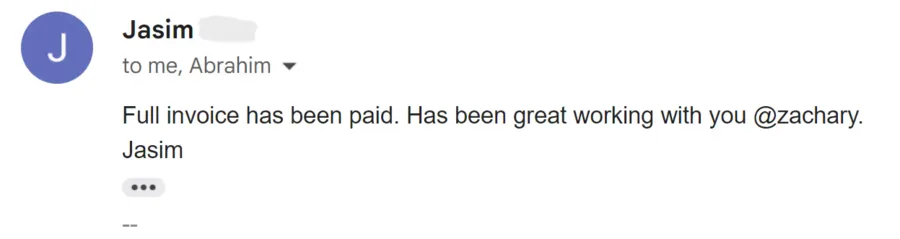
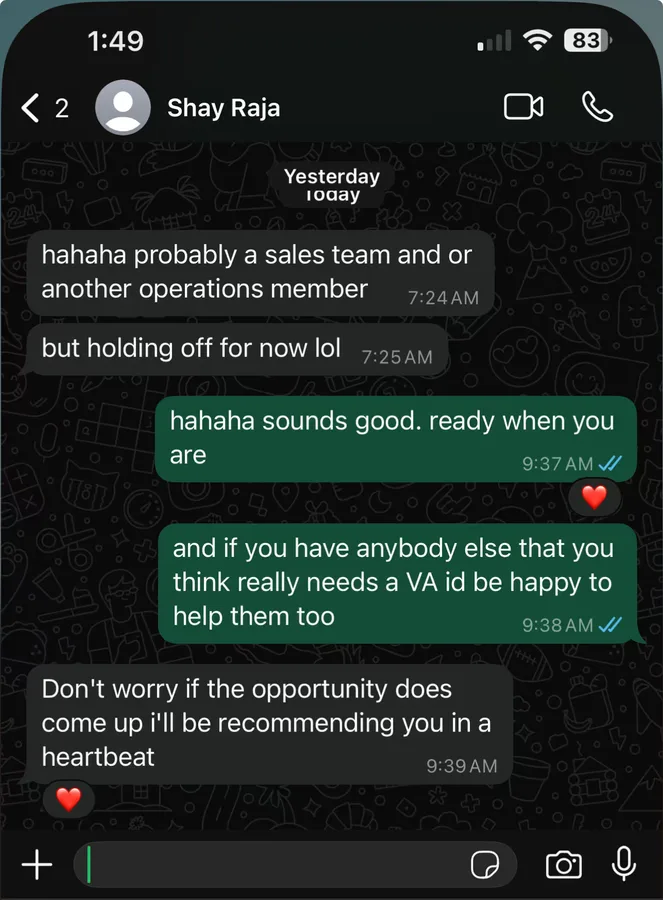
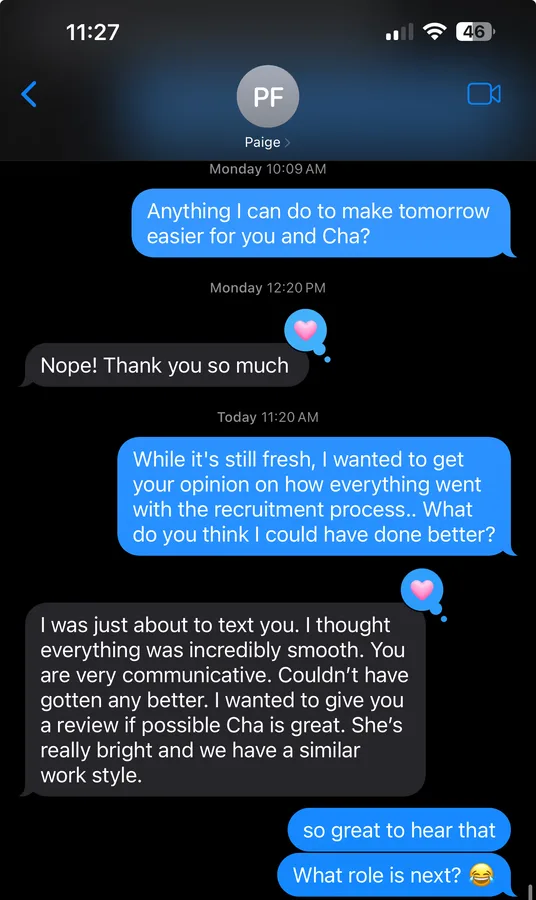
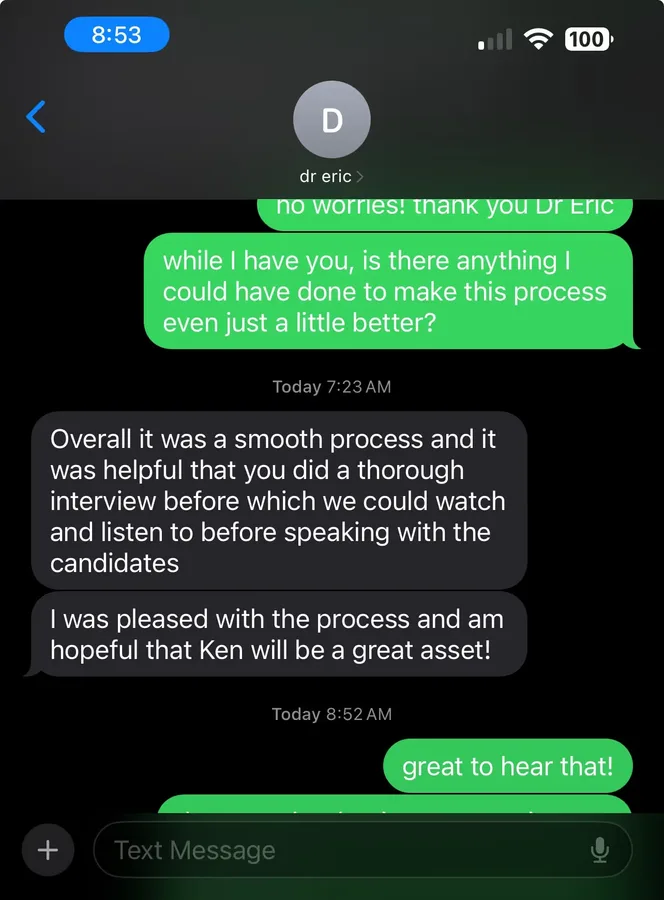
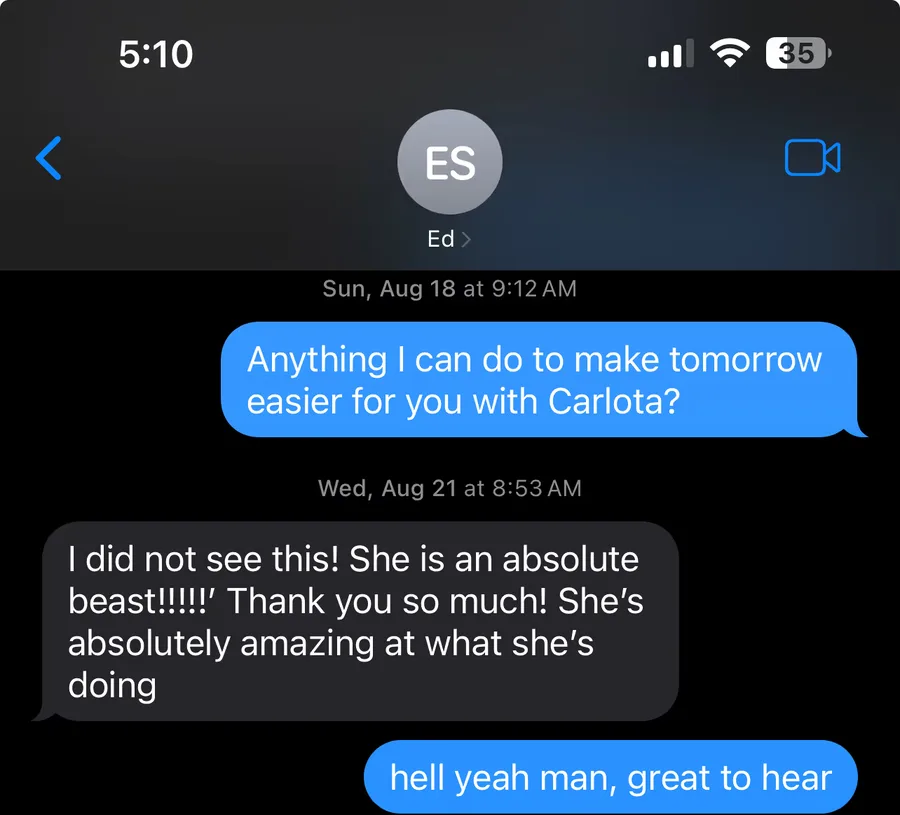
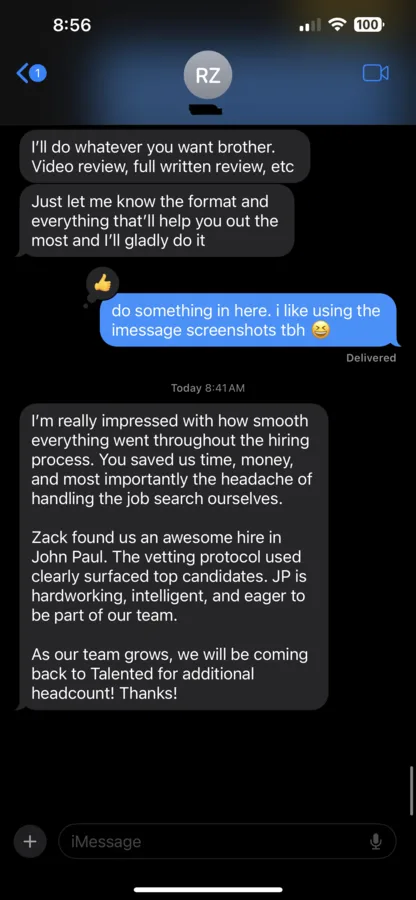
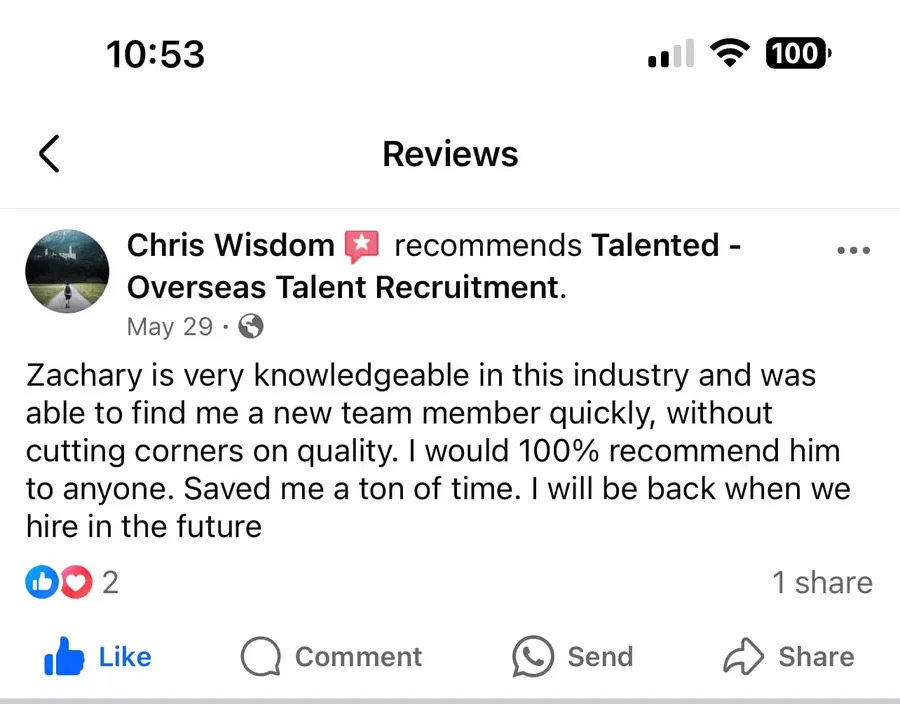
"Surpassed my expectations, beating out a much larger recruiting agency."
"I expect to have major pieces of my companies run from the people I've hired through him."
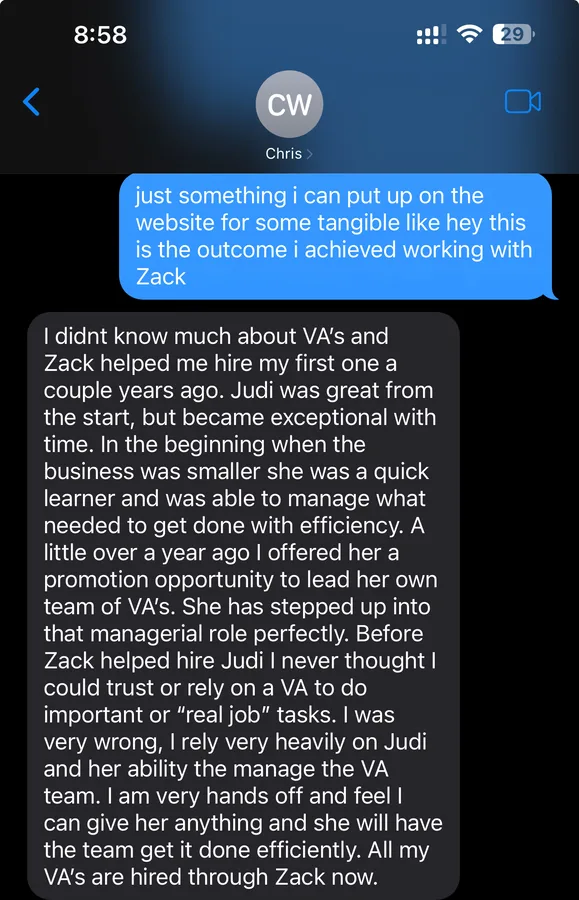
"Before Zack helped me hire Judi I never thought I could trust or rely on an overseas hire."
See Exactly Who You're Hiring Before You Say Yes.
Every finalist has already passed our 4-Level Vetting Protocol, sat through interviews, and proven they can communicate clearly, organize client work, and close loops before you decide.

The account is not angry about the dashboard. They are unclear on ownership. I would create a client health note, confirm the open items with delivery, send the client a same-day status update, and schedule the renewal discussion before the next report goes out.
They Put Every Client on a Cadence Before Silence Turns Into Churn.
This role is defined by rhythm: onboarded accounts, fixed touchpoints, narrative reporting, early renewals, and wobbles caught before the breakup email.
Week-One Onboarding
New clients wait for access, context, next steps, and the first clean handoff.
Every account gets the kickoff, intake, assets, owners, and next milestone documented in week one.
Fixed Client Cadence
Updates happen when someone remembers, or when the client has already started worrying.
Every client is touched on a visible cadence, with notes, next actions, and unanswered questions tracked.
Narrative Reporting
Reports show numbers, but clients still have to guess what changed and why it matters.
Reports go out with the plain-English story, blockers, wins, and what happens next.
Early Renewal Opens
Renewal conversations start after the client has already decided whether to stay.
Renewals, expansions, and risk flags are opened early while there is still time to steer the account.
Wobble Recovery
Small frustrations live in Slack threads until they become a breakup email.
Wobbles are captured, dispatched to the right owner, and closed back with the client.
Expansion Tracking
Expansion moments get missed because nobody owns the relationship detail.
Pain, wins, future needs, and timing are logged so upsells are earned instead of forced.
How Your Retention Specialist Gets Hired and Working in 14 Days.
Hire Your Retention Specialist
Answer a few quick questions and book your demo.
Questions before you hire the operator.
They do not replace you in the relationship. They protect the relationship around you. The operator handles intake, status, follow-up, reporting, reminders, and closed-loop communication, then escalates the moments that actually need your judgment. Clients still get you when it matters, but they stop waiting on you for every answer.
Yes. The point is a dedicated operator who learns your clients, your delivery rhythm, your reporting style, and your renewal moments. Client success breaks when it is nobody's real job.
They own the client rhythm around delivery, not the whole delivery function. They keep onboarding, updates, reporting, risk flags, and renewal conversations moving so your delivery team is not also trying to be the account manager.
Project managers usually manage tasks. This role manages client confidence. If the same person can do both, great. If not, the operator catches the communication leaks that make good delivery feel worse than it is.
No. They work with you like a full-time member of your team. We define the role, find the person, and set the first client cadence so the first 30 days do not stall.
If the Retention Specialist is not the right fit, we replace them.
If your Retention Specialist does not work out within the first 90 days, we reopen the search and replace them for free.