I Trained a Remote Hire to Buy $400k Inventory in 30 Days
Zack AllenFebruary 9, 20264:59
How I built up a hire on my team, step by step, until she was making purchasing calls as well as I do.
This is how I trained a virtual assistant who started at $5 an hour to purchase over $400,000 of inventory for my e-commerce business.
Since 2022, my Amazon business has done $4.2 million in revenue. My team is based in the Philippines, and according to our inventory sheet, we purchased about $491,000 of inventory in 2025.
The business model
There are two parts to the business. Sourcing is finding the deals. Purchasing and admin is making the checkouts and handling the logistics behind them. This is about the purchasing side.
The person I trained has been with me since 2023. I found her on OnlineJobs.ph with a posting that specifically asked for someone without e-commerce experience, especially not Amazon. I wanted a clean slate. I could teach a process I knew very well without having to untrain someone first.
My goal was to get purchasing off my plate. But you can't just hand someone the credit cards and say, "Go for it." I had to build up to it.
The training pyramid
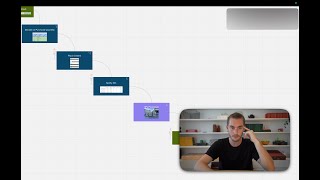
I used a simple pyramid: foundational context first, then the core concepts, then execution, then ongoing feedback loops.
1. Data entry. I started her on data entry so she'd see how the whole supply chain works: our internal inventory sheets, the records for our third-party logistics provider, and order tracking from supplier to warehouse to Amazon.
2. Checkouts without judgment. Next, she performed the checkouts. I reviewed leads on our master Google Sheet and decided the quantity, zero or however many, and she placed the orders based on my calls. She wasn't making decisions yet, but she saw which leads from the sourcing team I bought and which I passed on.
3. Access to the data. Then I gave her access to performance data in Amazon Seller Central, so she could get a feel for what sells, for how much, and which brands and models move.
4. Parallel recommendations. This was the key step. I added a second column to our sourcing sheet. She put in her recommended quantity first, without seeing mine, and then I put in mine. Then I'd give her feedback: "Here's why I think it's this number. Here's where you're right."
Eventually, without trying, we were giving the exact same recommendations. That's when I knew she was ready.
Where it landed
Now she reviews every lead from the sourcing team, decides how much we buy and checks out with the company cards. A lot of the time she makes better calls than I do, because she's so deep in the data.
The feedback loop that keeps it working
The loop that made this work, and keeps it working, is seeing how our recommendations performed. Day to day, that's sales per item. Monthly, it's our KPIs: average profit per sale and net profit, so she can see whether she's trending up or down month over month and year over year.
To make her care about that data, there are significant performance bonuses. The $5 an hour was her starting base pay. She's well past that now, and her effective hourly rate is much higher because of the bonuses she earns for buying good inventory.
Whatever your business is, the same steps apply: context first, then decisions made side by side with you, until their calls match yours.
Transcript
Show the full transcript
Today, I'm going to show you how I actually trained a $5 an hour virtual assistant to purchase over $400,000 worth of inventory for my e-commerce business. Since 2022, we've done $4.2 million in revenue in my Amazon business. Here's a photo of some actual inventory going out. So, it's not just numbers on a screen. This is my team based in the Philippines we're going to be talking about today. And this is a screenshot from our inventory spreadsheet.
In 2025, we purchased $491,000 worth of inventory. I'm going to be going through the process that I took to get to that outcome. So, first some context on the business model so you understand where we are. There's two parts of the equation. There's the sourcing side and there's the purchasing/admin side. The sourcing is finding the deals. The admin purchasing is actually making the checkouts and getting it the the logistics behind it.
We're going to be focusing on this part today. So Danielle has been with me since 2023. I found her on online jobs.ph and I posted a role directly calling out someone that does not have experience in e-commerce, especially not Amazon. I wanted a clean slate. I could teach someone on the process that I already knew very well without having to re unlearn the things that they already knew and retrain them. I my my end goal here was to get purchasing off my plate, but you can't just throw someone the credit cards and say, "All right, you know, go for it." I had to build up to that.
So, this is the process that I followed to get to that outcome. I used a pretty simple training pyramid, starting off with building the foundational context first, moving into the core concepts required to do the role effectively, the actual execution, and then the forever ongoing feedback loops. So first I started her off with data entry. I wanted to give an idea on the entire supply chain how everything works. This was a lot of our inventory sheets for our internal records and then for our third party logistics provider as well as order tracking in the supply chain process from our suppliers to the to the warehouse to Amazon and so forth.
And this gave her the the foundation in order to move on to the next stage which was actually performing the checkouts. Now, I was doing the reviewing down here on our master Google sheet. How many I would purchase, zero or however many quantity, and she would be doing the actual checkouts of the inventory, putting in the card information just based on what I had recommended. Now, she wasn't doing any of the judgment, but she saw which leads I was purchasing and which ones I was passing from the sourcing team.
So, just that added in that next layer of understanding. From there, I give her access to the data, layering that in. So, access to the actual performance of the items that we sourced on Amazon seller central so she could get a pulse for what inventory actually sells, for how much, what models, what brands, that sort of stuff. Next step was parallel feedback. So, I still not given her access to the to the actual uh purchasing yet, the actual quantity.
So, what we would do was I added a second column here to our sourcing sheet, DND, where she would put her recommendations and I would put Brian recommendations. I would have her put in hers first without looking at hers. I would put in mine. And then I would double check and give her feedback on like, hey, here's why I think, you know, you might have said this. Here's why I think it's this way.
Here's where I think you're actually right on this. And eventually we just got to the point where unknowingly we would be providing the exact same recommendations on quantity to purchase. And that's when I knew she was ready. So now Danielle reviews all the leads from the sourcing team, calculates how many we're going to buy and ends up making better calls than I do a lot of times just from being so in the weeds on the data.
And then she checks out using their company cards totaling $492,000 worth of inventory. So the loop to really make this effective in order for me to get to this point was her and continuous from now on is getting that feedback of seeing how our recommendations actually did. Looking at the true sales performance on a day-to-day basis like per item and then on a monthly aggregate level looking at our KPIs. So, the average profit per sale and the net profit to see in general if she's trending month over month, year-over-year in a positive direction or a negative direction.
Now, in order to make her actually care about this data, there are significant incentives on bonuses for high performance. So, the $5 an hour is base pay. I mean, she's not at that anymore. That's what it was when she started. But the effective hourly rate ends up being a lot higher because of the performance bonuses she's able to achieve from sourcing or purchasing good inventory. So, I hope this is helpful to your operation, whatever it is, e-commerce or not.
That's how I've done it. Thanks for watching.